
Introduction :
Getting a credit card with a $5,000 limit and instant approval sounds great, especially if you need quick access to money or want to build strong credit. But it’s important to understand how instant approval works and what banks look for before giving such a limit. This guide explains in very simple words how you can improve your chances of getting approved for a $5,000 credit card quickly and safely.
What Instant Approval Really Means
Instant approval means you get a quick decision right after you apply online. In most cases, it takes just a few minutes to know if you’re approved or denied. Some credit card companies also let you start using the card immediately through a virtual card or mobile wallet. However, not every application will get approved instantly — and even if it does, your credit limit can vary.
Also Read…Can I Get a $1000 Credit Card with Bad Credit?
Is a $5,000 Credit Limit Common?
A $5,000 limit is considered a moderate-to-high starting limit. Some people get it easily if they have good credit, stable income, and a low amount of debt. Others may start with a smaller limit and grow over time. The actual limit depends on your personal profile — not just your credit score but also your income and how you manage other accounts.
Table of Contents
Table of Contents
Factors That Decide Your Credit Limit
Banks and credit card issuers check a few key things before setting your limit:
- Credit Score – Higher scores show responsibility and can lead to better limits.
- Income Level – A higher income supports a larger credit line.
- Debt-to-Income Ratio – If you already owe too much, your limit may be smaller.
- Payment History – A record of on-time payments increases trust.
- Bank Relationship – Existing customers sometimes get higher starting limits.
Steps to Improve Your Chances of Getting a $5,000 Limit
Here are some easy steps that can help you qualify for a higher starting limit:
- Check Your Credit Score First – Know your score before applying so you understand your position.
- Pay Down Existing Balances – Lowering your credit card balances shows good money control.
- Increase Your Income Reporting – You can often include household income if it’s accessible to you.
- Avoid Too Many Applications – Applying for several cards at once can reduce approval odds.
- Apply with a Trusted Bank – If you already have an account with a bank, they may give you a better limit because they know your history.
- Build Credit Before Applying – If your score is low, spend a few months improving it through small credit-builder loans or secured cards.
What to Expect During Instant Approval
After submitting your online application, you’ll usually see a message like “Approved,” “Denied,” or “Needs Further Review.”
If you get approved instantly, some issuers let you use your card right away for online shopping. Others might ask you to wait for the physical card in the mail. Even when approved, your limit might start below $5,000 but can increase later with good usage.
Also Read…What is the credit card limit for $70,000 salary?
How to Handle Rejection or Lower Limits
If your application doesn’t get approved instantly, don’t panic. You can always contact the bank’s reconsideration line to ask for a manual review. Sometimes they approve you after verifying your income or payment history. If you got a smaller limit, use the card responsibly for a few months and request a credit limit increase later.
Tips for Safe Credit Card Use
Having a $5,000 limit can give you great spending flexibility, but it also comes with responsibility.
- Always pay your balance on time.
- Try to use less than 30% of your credit limit.
- Avoid maxing out your card.
- Check your statements regularly for any errors or fraud.
- Don’t apply for new credit too often.
Realistic Expectations
Even with perfect preparation, you might not get $5,000 right away. Many people start smaller and move up. Credit card companies usually review your account every few months and may raise your limit automatically if you maintain good habits. Focus on steady growth instead of instant big limits.
Conclusion
Getting a $5,000 credit card with instant approval is possible, but it requires preparation, strong credit behavior, and honest information. Keep your credit score healthy, maintain low balances, and show the bank that you can handle credit responsibly. Over time, your chances of higher limits and faster approvals will grow naturally.
Best $5,000 Credit Cards With Instant Approval in 2025
1. American Express Blue Cash Everyday® Card
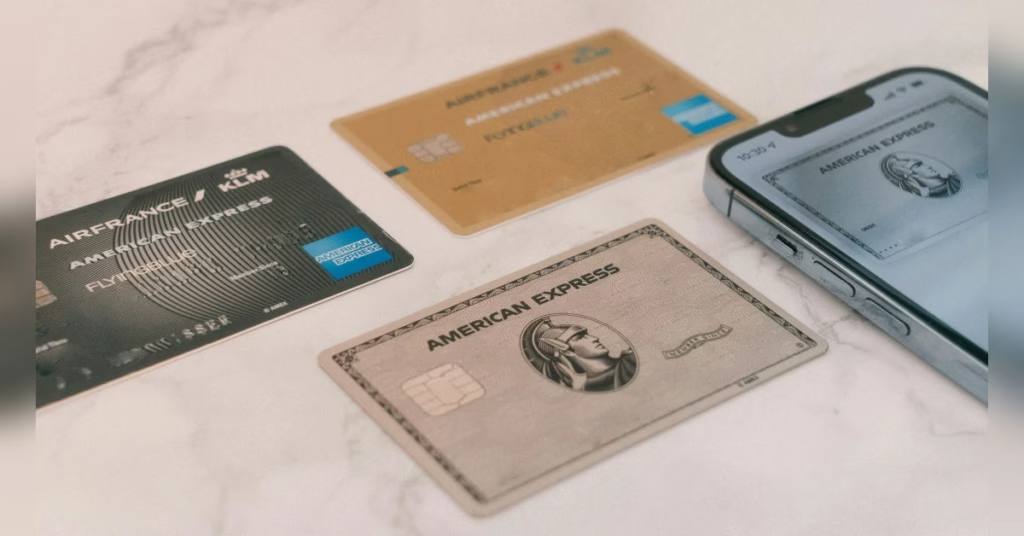
This is one of the most popular credit cards that often gives quick approval results and a fair starting limit. People with good credit scores can get up to or above a $5,000 limit. The card offers cash back on groceries, gas, and online shopping. It’s great for people who spend regularly on everyday needs. American Express also lets eligible users start using their card immediately through a digital card number even before the physical card arrives.
2. Discover it® Cash Back
Discover is known for fast online applications and easy-to-understand terms. Many applicants get instant decisions, and some receive virtual card access right away. The Discover it® Cash Back card gives 5% cash back on rotating categories such as groceries, gas, and Amazon purchases. With a good credit score, you can receive a higher starting limit and grow beyond $5,000 after consistent payments.
3. Capital One Venture Rewards Credit Card
This travel rewards card is ideal if you want a higher limit and fast approval. Applicants with strong credit reports often get limits of $5,000 or more. Capital One is known for simple online applications and immediate approval responses. The card gives unlimited miles on every purchase and flexible redemption options, which makes it a good fit for frequent travelers.
4. Chase Freedom Unlimited®
Chase offers quick online decisions for most applicants, especially those with an existing Chase account. With a stable income and a good credit score, starting limits around $5,000 are common. This card gives unlimited cash back and bonus rewards on travel, dining, and drugstore purchases. Chase also tends to increase your limit automatically after several months of on-time payments.
5. Citi Custom Cash℠ Card
Citi provides quick decisions through its online portal and sometimes instant access to your card through their mobile app. The Citi Custom Cash℠ Card automatically adjusts rewards to match your top spending category each month. Many users receive starting limits close to or above $5,000 when their credit and income levels meet requirements.
6. Wells Fargo Active Cash® Card
This card offers unlimited 2% cash rewards on all purchases with no annual fee. Wells Fargo often gives competitive limits to customers with strong credit histories. Applications are processed quickly, and you can receive approval within minutes. If you already bank with Wells Fargo, your chances of a $5,000 starting limit increase even more.
7. Bank of America® Customized Cash Rewards
Bank of America gives fast approval results for most online applications. The card offers flexible rewards, and you can choose your top earning category. Existing customers sometimes receive higher limits, especially if they have savings or checking accounts with the bank. Many cardholders report getting starting limits around or above $5,000 when they have stable credit and income.
8. U.S. Bank Cash+® Visa Signature Card
This card offers customizable 5% cash back categories and an easy online application with fast results. Applicants with good to excellent credit can get limits up to $5,000 or more. U.S. Bank also offers strong mobile features and good support for people who like managing their credit digitally.
What You Need for Instant Approval
Getting approved instantly depends on how complete and accurate your application is. Before applying, make sure you:
- Have a credit score of at least 680 or higher for better odds
- Report a stable income and job information correctly
- Keep your credit card balances below 30% of your available limit
- Avoid applying for multiple cards at the same time
- Check your credit report for any mistakes and fix them before applying
How to Use Your New Card Wisely
Once you get approved for a $5,000 limit, use it carefully. Pay more than the minimum payment every month to keep your credit healthy. Try to pay in full if possible so you avoid interest charges. Keep your credit utilization low — below 30% of the total limit — because it improves your credit score over time.
How to Get a Credit Limit Increase Later
If you start with a smaller limit, use the card responsibly for six months and pay on time every month. Many banks automatically review your account and offer a higher limit if they see consistent activity. You can also request a limit increase manually through your card’s online account.
Common Mistakes to Avoid
- Applying for too many cards at once.
- Missing payments even by a few days.
- Using the full credit limit regularly.
- Giving false or incomplete income information.
- Ignoring your credit report updates.
The Smart Way to Build Toward Higher Limits
Building strong credit is not about luck — it’s about habits. Always pay on time, use your card regularly but not heavily, and keep your old accounts open. Over time, your credit limit and approval chances for higher-limit cards will grow naturally.
Also Read…What Happens If You Never Use Your Credit Card?
Thoughts
A $5,000 credit card with instant approval is absolutely possible if you meet the right conditions. Keep your credit score strong, maintain low debt, and apply with trustworthy issuers. Once approved, use your card wisely and watch your credit profile improve month after month. Smart and steady use is the real key to unlocking higher limits and better rewards.
How to Prequalify, Avoid Denials, and Request Reconsideration for a $5,000 Credit Card
Why Prequalification Matters
Prequalification is the best way to see if you’re likely to be approved before submitting a full credit card application. It helps you avoid hard credit inquiries that can slightly reduce your score. Many major card issuers allow you to check your chances of approval online using only basic information such as your name, income, and last four digits of your Social Security number.
When you prequalify, the bank runs a soft check, not a hard one, so it doesn’t affect your credit score. If the prequalification results show you’re eligible, you have a much higher chance of getting approved instantly for the actual card.
How to Prequalify the Right Way
- Visit the official website of the card issuer.
- Look for the section that says “See if you’re prequalified” or “Check your offer.”
- Enter accurate personal information including your income, housing status, and monthly payments.
- Submit the form and wait for your result. Most issuers show results instantly.
- If you get a prequalified offer, apply for that specific card instead of a random one.
What to Do If You Are Denied
If your application is denied, it doesn’t mean you’ll never qualify. Banks deny credit cards for several reasons — sometimes even small details matter. Common reasons include low credit score, high existing debt, short credit history, or missing information on your application.
Step 1: Read the Denial Letter
Every bank must send a letter or email explaining why you were denied. This letter lists the specific reasons and even mentions the credit bureau they used. Review it carefully to understand what went wrong.
Step 2: Fix the Issues
If the issue is related to credit score, focus on improving it by paying bills on time and reducing balances. If the problem is income or debt ratio, try to reduce your debts before applying again. Small improvements can make a big difference in your next application.
Step 3: Wait Before Reapplying
Avoid applying for another card right away. Wait at least 60 to 90 days before submitting a new application. Multiple rejections in a short time can make lenders think you’re desperate for credit.
How to Request Reconsideration After Denial
Most people don’t know that you can call the bank and ask them to review your application again. This is called a reconsideration request. It’s a great chance to explain your situation directly and sometimes get approved on the same call.
When to Request Reconsideration
You can do this within 30 days of receiving the denial. After that period, you might need to reapply. It’s best to call the bank’s reconsideration line during business hours.
How to Prepare for the Call
- Have your denial letter and credit information ready.
- Be polite, honest, and confident.
- Explain any improvements or errors in your application.
- Mention your loyalty if you are an existing customer.
- If your income recently increased or debts went down, tell them clearly.
Sample Script for Reconsideration
Here’s a simple and natural way to talk to the agent:
“Hi, I recently applied for the [Card Name] and received a notice that my application was not approved. I wanted to see if my application could be reviewed again. I’ve been managing my credit carefully, and my financial situation has improved. I’m hoping you can reconsider or let me know if there’s anything I can provide to support my application.”
If the representative asks for extra details, answer truthfully. Some applicants get approved during this call, especially if they had borderline credit or forgot to include something important, like household income.
Also Read…Difference Between Secured and Unsecured Credit Cards
How to Increase Approval Chances in the Future
- Always pay bills before the due date.
- Keep credit card balances low.
- Don’t close old accounts, as they help build credit age.
- Limit new credit applications.
- Check your credit report regularly for mistakes.
- Maintain a steady income and update your information with your bank.
The Role of Income and Job Stability
Lenders want to see that you can pay back what you borrow. If your income is stable and your job has been steady for at least six months, your chances of approval increase. If you’re self-employed, prepare documents like tax returns or business income statements in case verification is needed.
How to Handle Temporary Credit Freezes or Errors
If you placed a freeze on your credit report for security reasons, make sure to lift it before applying. Also, review your credit report for any incorrect information, such as outdated loans or wrongly reported missed payments. Fixing these errors can boost your score and improve your chances of getting that $5,000 limit.
Patience Pays Off
Getting instantly approved for a high-limit card is exciting, but it’s not the end of your credit journey. If you don’t qualify today, you can still build your way up within a few months. With consistent payments, low balances, and steady credit growth, approval becomes easier over time.
Final Thoughts
Prequalification and reconsideration are smart tools that most people overlook. They help you avoid rejections, protect your credit score, and sometimes even turn a “no” into a “yes.” Always apply strategically, review your credit health regularly, and stay patient. With the right approach, your goal of getting a $5,000 instant approval credit card can become a reality faster than you think.
How to Maintain and Grow Your $5,000 Credit Limit to $10,000 or More
Why Credit Limit Growth Matters
Having a higher credit limit gives you more financial flexibility and improves your credit score by lowering your credit utilization ratio. It also shows lenders that you can handle credit responsibly. But credit limit growth doesn’t happen overnight — it takes smart use and consistency.
Use Your Card Responsibly
The first step to maintaining and increasing your credit limit is responsible usage. This means paying your bills on time every single month, avoiding overspending, and never missing payments. Even one late payment can hurt your credit score and make it harder to get future limit increases.
Keep Your Credit Utilization Low
Your credit utilization ratio is the amount of credit you use compared to your total available credit. For example, if you have a $5,000 limit and you usually spend $4,000, that’s 80% utilization, which is too high. Try to keep your usage below 30% — or even better, under 20%. Paying your balance in full every month helps you stay below this level easily.
Pay More Than the Minimum
Always try to pay more than the minimum due amount on your bill. This reduces your debt faster and shows banks that you can manage your credit well. It also helps avoid high interest charges and builds a stronger payment record, which increases your trust level with lenders.
Use the Card Frequently but Wisely
Banks prefer customers who use their cards regularly but don’t max them out. Use your credit card for normal monthly expenses like groceries, gas, or subscriptions. Then pay it off in full before the due date. This pattern of use and payment builds a positive history and helps trigger automatic limit increases.
Request a Credit Limit Increase at the Right Time
If you’ve used your card for at least six months responsibly, you can request a limit increase. Most banks allow you to do this online through your credit card account. The best time to request an increase is when:
- Your income has gone up.
- You’ve had several months of on-time payments.
- Your credit score has improved.
- You’ve lowered other debts.
When you request an increase, some issuers do a soft credit check (which doesn’t hurt your score), while others do a hard check. Always check the policy before applying.
How to Ask for a Credit Limit Increase
When requesting an increase, keep it short and polite. Here’s a simple example of what you can say if you’re asked for a reason:
“I’ve been using my card responsibly for several months and always pay on time. I’d like to request a credit limit increase to better manage my spending and improve my credit utilization.”
This clear and honest approach often works well because it shows financial discipline.
Build a Strong Relationship With Your Bank
If you use other products from the same bank — like savings accounts, auto loans, or direct deposits — you may receive better treatment. Banks often reward loyal customers with higher credit limits and faster approvals. Always keep your accounts in good standing and update your contact details to stay eligible for special offers.
Keep Your Credit Report Clean
Before you request a big limit increase, check your credit report for any negative items. Remove or dispute incorrect information, such as old debts that were already paid off. A clean credit report gives the bank more confidence to raise your limit.
Avoid Common Mistakes That Reduce Your Limit
Some people lose their credit limit without realizing it. To avoid this, never:
- Miss payments or pay late.
- Use more than 80% of your limit regularly.
- Let your card stay inactive for long periods.
- Apply for too many credit cards at once.
- Close your oldest credit accounts without reason.
Be Patient With Limit Increases
Even if you don’t get an increase immediately, don’t worry. Some banks automatically review your account every six or twelve months. As long as you use your card wisely and pay on time, they might raise your limit without you asking. The longer your account stays in good shape, the better your chances of reaching $10,000 or even higher limits.
The Power of Credit Mix
Having a mix of credit types — such as a credit card, auto loan, or personal loan — shows that you can handle different forms of credit responsibly. This mix helps your overall credit score, which makes it easier to qualify for future limit increases or premium cards.
Monitor Your Credit Progress
Use a free credit monitoring service or your card’s built-in credit score tracker to keep an eye on your progress. Watching your score rise over time helps you know when it’s the best time to request a higher limit.
Focus on Long-Term Credit Health
Remember, a high credit limit is useful only if you manage it wisely. Your goal should be long-term financial stability, not just a bigger number. A $10,000 limit can open doors to better rewards, travel cards, and even loan approvals — but only if you maintain strong payment habits.
Final Conclusion
Growing your $5,000 credit limit to $10,000 or more is not about luck — it’s about consistency. Pay on time, keep balances low, and use your card responsibly every month. Review your credit report, stay loyal to your bank, and request increases at the right time. With patience and smart habits, your credit limit and score will rise steadily, giving you more financial freedom and trust from lenders.
Also Read…Which Amex Card Is Best for Me in 2025?
Smart Credit-Building Strategies to Qualify for Higher Limits and Premium Cards
Why Building Credit Matters
Building strong credit is the key to unlocking bigger credit limits, better rewards, and premium credit cards. Lenders use your credit score to decide how much trust they can place in you. When your score is high, you become eligible for better offers and higher spending limits without needing to apply multiple times.
Always Pay Bills on Time
Your payment history makes up the biggest part of your credit score. Late payments can drop your score quickly. Set reminders or use automatic payments to make sure every bill — not just your credit card — is paid before the due date. Even paying a few days early shows good financial discipline.
Keep Your Balances Low
Using too much of your available credit hurts your score. Try to keep your credit card usage below 30% of your total limit. For example, if you have a $5,000 limit, aim to stay under $1,500 at any time. This helps show lenders that you are not overly dependent on credit.
Avoid Applying for Too Many Cards
Each time you apply for a new card, a hard inquiry appears on your credit report. Too many of these can make banks think you are desperate for credit. It’s better to focus on using one or two cards wisely and then let your credit limit grow naturally over time.
Keep Old Accounts Open
Your credit history length also affects your score. Older accounts show that you have long-term experience managing credit. Avoid closing your oldest cards unless they have high fees you no longer want to pay. Keeping them active with small purchases once in a while is a smart move.
Use a Mix of Credit Types
Having different kinds of credit, like a credit card, car loan, or small personal loan, helps your score grow faster. Lenders like to see that you can handle different types of payments responsibly. But don’t take loans just to build credit — only borrow when necessary.
Pay Credit Card Balances Before Statement Date
Many people don’t know this trick — if you pay your balance before your statement date (not just the due date), your reported balance stays low. That means your credit utilization ratio looks better, and your score can rise faster.
Check Your Credit Report Regularly
You should check your credit report at least three times a year. Look for mistakes like old debts showing as unpaid or wrong personal information. You can dispute such errors directly with the credit bureau. A clean report helps you qualify for instant approvals and higher limits.
Increase Income and Show Stability
Banks are more confident in giving higher limits to people with steady income. When you request a credit limit increase, update your income details in your account. If your job or salary has changed, let your bank know. Stable income shows reliability and improves your approval chances.
Keep Credit Card Activity Regular
If you rarely use your card, banks might lower your limit or even close the account. Use your card for small, regular purchases like groceries, phone bills, or gas, then pay it off in full. This keeps your account active and healthy.
Take Advantage of Automatic Credit Reviews
Many credit card companies review accounts every few months to decide if users qualify for limit increases. Keep your spending and payment patterns strong, and you might get a higher limit automatically — no request needed.
Become an Authorized User
If you have a family member with good credit, ask to become an authorized user on their card. Their good credit history will also help you build your score faster. Just make sure they use the card responsibly, as their actions affect your credit too.
Don’t Carry High Balances
Carrying a balance for too long adds interest and can make your score drop. Always pay as much as possible each month. Even if you can’t pay in full, paying more than the minimum helps reduce interest and improve your credit standing.
Limit Hard Inquiries
When applying for loans or new credit cards, each hard inquiry stays on your credit report for two years. Try to space out your applications. Too many inquiries in a short time can lower your score and hurt your approval chances.
Use Secured Credit Cards to Build Score
If your credit score is still low, a secured credit card is a great way to build it. You deposit money upfront as collateral, which becomes your credit limit. After several months of responsible use, your score improves, and you can upgrade to a regular credit card with higher limits.
Stay Patient and Consistent
Building credit takes time — usually six months to a year of steady, responsible use. Avoid shortcuts or quick hacks. The longer you maintain good habits, the more your score grows. Consistency is what lenders notice most.
Track Your Credit Progress
Use free tools or your card’s built-in tracker to check your score monthly. Many issuers like Capital One and Discover offer free score updates. Watching your score rise over time keeps you motivated and helps you know when to apply for premium cards.
Benefits of a Strong Credit Score
A high credit score not only gets you higher card limits but also helps you in many other ways — lower interest rates on loans, better apartment rental chances, faster loan approvals, and even cheaper insurance premiums in some cases. It’s a long-term reward for your financial discipline.
Final Thoughts
Reaching higher limits and premium card approvals is not about luck — it’s about consistent good habits. Pay bills on time, use your card regularly but wisely, keep your balances low, and check your credit report often. With steady progress and patience, you can go from a $5,000 limit to $10,000, $15,000, or even more — unlocking better financial freedom and opportunities.
Also Read…Best High-Yield Savings Accounts in the USA (2025): Earn More on Your Savings
Common Mistakes That Stop People from Getting Instant Credit Card Approval
Introduction
Many people apply for credit cards hoping for instant approval but end up being rejected. The reasons are often small mistakes that can be easily avoided. Knowing what these mistakes are will help you increase your chances of getting approved for a $5,000 or even higher-limit credit card.
Having a Low Credit Score
The most common reason for rejection is a low credit score. Lenders use this score to measure your creditworthiness. If your score is below 580, most banks consider you a risky borrower. Always work on improving your credit score before applying. Pay bills on time, keep balances low, and avoid multiple new loans in a short time.
Too Many Credit Applications
Applying for too many credit cards or loans in a short time makes lenders think you’re desperate for credit. Each new application creates a hard inquiry on your credit report, which can lower your score by a few points. Instead of applying for many cards at once, choose one or two that match your credit profile and apply carefully.
High Credit Utilization
If you already have credit cards and use most of your available limit, it signals financial stress. Lenders prefer customers who use less than 30% of their available credit. For example, if your total limit is $5,000, try to keep spending below $1,500. Pay down your balances before applying for a new card to increase your approval chances.
Unstable Income or Employment
Banks look for steady income before approving a credit card. If your income is low or unstable, it can raise doubts about your repayment ability. Always update your current income and employment details correctly in your application. A steady job or regular income source improves your approval chances.
Errors in Credit Report
Sometimes, people get rejected even when they have good habits simply because their credit report contains errors. It may show old debts as unpaid or incorrect information about missed payments. Before applying, check your credit report for mistakes and get them corrected.
No Credit History
If you’ve never had a credit card or loan before, lenders can’t assess your repayment behavior. This is common for young applicants or new credit users. In such cases, start with a secured credit card or student credit card to build history first. Within six months, you’ll have a good enough record to qualify for regular cards.
High Debt-to-Income Ratio
Your debt-to-income (DTI) ratio shows how much of your income goes toward debt payments each month. If this number is too high, banks may think you’re already handling too much debt. Try to pay off existing loans or reduce monthly obligations before applying for a new credit card.
Providing Wrong Information on Application
Even a small mistake in your application — like entering the wrong income, address, or phone number — can cause rejection or delay. Double-check every detail before submitting your application to ensure accuracy. Lenders verify all your details before approval, so honesty is always the best policy.
Ignoring Prequalification Offers
Many banks provide prequalification or preapproval tools on their websites. These tools do a soft credit check that doesn’t affect your score. If you skip this step and directly apply for a card you don’t qualify for, it can lead to rejection. Always check if you’re prequalified first.
Applying for Cards Above Your Level
Some people apply for premium cards that require excellent credit scores even when their score is fair or average. This leads to unnecessary rejections. Choose a card that matches your current credit score range. As your score improves, you can later apply for higher-tier cards.
Having Too Many Recent Accounts
Opening multiple new accounts in a short time can make banks think you’re taking on too much credit at once. Even if your score looks okay, lenders may deny new applications. Wait at least six months after opening a new account before applying for another.
Lack of Active Accounts
If you haven’t used your credit card in months, some lenders might consider your account inactive. Active credit behavior — small purchases and regular on-time payments — shows banks that you can handle credit properly. Before applying for a new card, make sure your existing accounts are active.
Late or Missed Payments
One late payment can stay on your credit report for up to seven years. Even if you’ve paid it off later, it still impacts your score and approval chances. Always set up reminders or auto-pay to avoid missing payments. On-time payments are one of the strongest signals of trust for lenders.
Applying Without Understanding Requirements
Every credit card has eligibility rules — such as minimum income, age, or credit score. Many applicants skip reading these details and apply anyway. Always check the card’s official page to see if you meet all the requirements before submitting your application.
Not Having a Bank Relationship
Sometimes, having an existing relationship with the bank makes approval easier. If you already hold a savings or checking account with the same bank, your chances improve. The bank already knows your financial behavior and may approve your credit card faster.
Ignoring Your Credit Mix
Lenders like to see a variety of credit types — credit cards, installment loans, and other accounts. If you only have one type, your score might grow slowly. A healthy mix shows that you can manage different types of payments responsibly.
Conclusion
Getting instant approval for a $5,000 credit card is possible if you avoid these common mistakes. Always apply for the right card based on your credit score, keep balances low, pay bills on time, and double-check your information before submitting. Build a strong credit record, keep your income stable, and monitor your credit report regularly. With these steps, you’ll be on your way to fast approvals and higher credit limits.
Also Read…How to Improve Your Credit Score Quickly
Easiest Ways to Get Instant Credit Card Approval with Fair or Average Credit
Introduction
Getting approved for a credit card instantly can feel difficult if your credit score is just average. But with the right approach and smart choices, you can still qualify for a $5,000 limit or more. Banks today offer many cards designed for people with fair credit who want quick approvals. Let’s look at some of the easiest ways to make it happen.
Know Your Credit Score Before You Apply
Before applying for any credit card, check your current credit score. Many banks and apps provide this for free. If your score is between 580 and 670, it’s considered fair, which means you can still get approved for several good cards. Knowing your score helps you choose the right card that matches your credit level, reducing rejection chances.
Apply for Preapproved or Prequalified Offers
Many banks offer preapproved or prequalified credit card offers. These come after a soft credit check, which does not harm your score. If you get one of these offers, it means the bank already sees you as a good fit. When you proceed with the full application, instant approval becomes much more likely.
Choose Credit Cards for Fair Credit
Some credit cards are made for people with fair or rebuilding credit. These cards often have lower limits at first but can increase quickly with on-time payments. Examples include:
- Capital One Platinum Credit Card – Great for average credit with automatic reviews for limit increases.
- Discover it® Secured Card – Helps build credit fast while earning cash back.
- Credit One Bank Platinum Visa – Approves applicants with fair credit scores.
- Mission Lane Visa Credit Card – Designed for fair to good credit with quick online approval.
These cards have simple requirements and a high approval rate compared to premium cards.
Keep All Information Accurate and Updated
One of the simplest ways to improve your approval chances is by entering correct details in your application. Make sure your name, address, income, and employment information are accurate. Lenders verify these details, and any small error can delay or even reject your application.
Use Existing Bank Relationships
If you already have a savings or checking account with a bank, apply for a credit card from that same bank. They already know your financial history and trust your account behavior. This gives you a higher chance of instant approval because you are not a new or unknown customer to them.
Apply Online for Faster Processing
Most banks now offer instant decision credit cards online. These cards use automated systems to approve applications within minutes. You’ll know immediately whether you’ve been approved and what your credit limit is. Applying online also helps you avoid paperwork and speeds up the entire process.
Keep Credit Utilization Below 30%
Before applying for a new card, check how much of your current credit you’re using. If your utilization is high, pay off part of your balance first. When your utilization is below 30%, your score improves, and banks see you as a more responsible borrower — increasing your approval chances.
Maintain a Steady Income
Stable income is one of the most important factors for credit card approval. Even if your credit score is average, showing a consistent income helps lenders trust that you can repay what you borrow. Include all income sources like salary, freelance work, or side earnings when applying.
Keep a Clean Credit Report
Before applying, review your credit report for errors or negative marks. Remove or dispute incorrect information, such as outdated debts or false late payments. A clean report can boost your approval rate instantly.
Consider Secured Credit Cards
If you’ve been denied multiple times, try applying for a secured credit card. You deposit a certain amount (for example, $300–$500) as security, and that becomes your credit limit. These cards almost always approve instantly because they are low-risk for banks. After 6–8 months of timely payments, your score improves, and you can upgrade to a regular card with higher limits.
Use Credit Builder Programs
Some banks and credit unions offer credit builder programs or small installment loans that report your payments to credit bureaus. These help strengthen your score quickly. Once your score increases even slightly, instant approval becomes much easier to get.
Avoid Applying for Multiple Cards at Once
Each credit application adds a hard inquiry to your report. Too many inquiries can lower your score and signal financial stress. Apply only for one card at a time, wait for the result, and then plan your next move if needed.
Be Honest About Income and Expenses
Many people overstate their income hoping for better approval chances, but lenders verify income sources. Always report real, verifiable income. Providing honest details builds long-term trust with the bank and avoids rejection during background checks.
Use Credit Card Match Tools
Some websites and banks offer credit card match tools that show cards you’re likely to get approved for based on your credit profile. This saves time and prevents unnecessary rejections. Always use trusted and official tools from known issuers.
Get Help from a Co-Signer or Authorized User Option
If you have a family member or friend with strong credit, you can ask them to co-sign or add you as an authorized user on their card. Their good payment history can help you qualify for your own card faster in the future.
Conclusion
Getting a $5,000 credit card with instant approval is absolutely possible even if your credit score is fair. Focus on keeping your report clean, your utilization low, and your payments on time. Apply for prequalified offers or cards designed for fair credit, and use your existing bank relationships whenever possible. With steady effort and smart choices, you can move from fair credit to good credit — unlocking faster approvals, higher limits, and premium card opportunities in no time.
Final Conclusion
Getting a $5,000 credit card with instant approval is not just about luck — it’s about preparation, responsibility, and smart financial habits. Start by knowing your credit score, choosing the right card for your profile, and keeping your credit report clean. Always pay bills on time, maintain a low balance, and use your card regularly but wisely.
If you’re just starting out or rebuilding your credit, secured and fair-credit cards are great stepping stones. Over time, responsible use will increase your credit score, raise your limit, and help you qualify for premium cards with better benefits and rewards. Remember, building strong credit is a journey — every on-time payment and good decision takes you one step closer to financial freedom.
With patience, consistency, and the right strategy, you can easily move from fair credit to excellent credit and enjoy a higher spending limit, faster approvals, and access to exclusive financial opportunities.
FAQ
Q1: Can I really get a $5,000 credit card with instant approval?
Yes, if you have a fair or good credit score, steady income, and a clean credit report, many banks offer instant approval for $5,000 credit cards.
Q2: What credit score do I need for instant approval?
Most banks approve instantly if your credit score is around 670 or higher, though some fair-credit cards approve applicants with scores as low as 580.
Q3: How can I improve my approval chances?
Pay bills on time, reduce existing debt, keep credit usage under 30%, and apply for prequalified offers instead of random applications.
Q4: Will applying for a credit card hurt my credit score?
One application may slightly lower your score, but consistent on-time payments afterward will quickly improve it.
Q5: What’s the best card for someone with fair credit?
Cards like the Capital One Platinum and Mission Lane Visa are great choices for fair credit applicants who want quick approval and limit growth.
How Credit Card Issuers Decide Credit Limits — Bankrate
What are the best guaranteed approval credit cards with $5,000 limits?

Harsh Muchhal is a Software Engineer and Financial Analyst passionate about helping people understand the world of finance and technology in simple, practical ways. With experience in both software development and financial analysis, he blends technical knowledge with real-life money insights to make complex topics easy for everyone. Harsh shares valuable guides, tips, and updates on personal finance, investing, credit cards, and the latest tech innovations — helping readers make smarter choices in today’s fast-changing digital world.

Pingback: Which Amex Card Is Best for Me in 2025?