
A Delta Air Lines flight from Pittsburgh International Airport faced an unexpected delay after a flight attendant accidentally triggered the emergency evacuation slide. The mistake, which happened on October 25, 2025, caused around $70,000 in damage and left passengers waiting for hours before takeoff.
What Actually Happened
According to reports, the incident occurred when the plane was preparing for departure. The flight attendant, who had 26 years of experience, accidentally opened the front left door while it was still armed for emergency use. When the door handle was lifted, the system automatically deployed the evacuation slide.
The large slide inflated directly against the jetbridge — the walkway that connects the aircraft to the terminal — blocking the exit. As a result, passengers couldn’t leave or board the plane until maintenance engineers manually deflated and removed the slide.
Also Read.Inside Delta’s ‘Main Basic’ Fare: Hidden Costs No One Talks About
A Costly Error
Emergency slides are extremely expensive. For smaller planes like the Airbus A220, a replacement slide can cost between $50,000 and $70,000. On top of that, repacking or repairing the damaged equipment can add another $20,000.
When you include hotel costs, rebooking flights, and repositioning crew members, the total financial loss for this single mistake could easily cross $100,000.
Flight Delay and Passenger Impact
The flight was supposed to leave at 5:30 p.m., but because of the incident, it was delayed until 9:11 p.m. Some passengers who had connecting flights in Salt Lake City missed them and had to stay overnight before catching new flights.
Several passengers shared their experiences online. One traveler wrote that the crew member looked upset and apologized, saying that in her 26 years of working with Delta, “this has never happened before.”
Why This Incident Happened
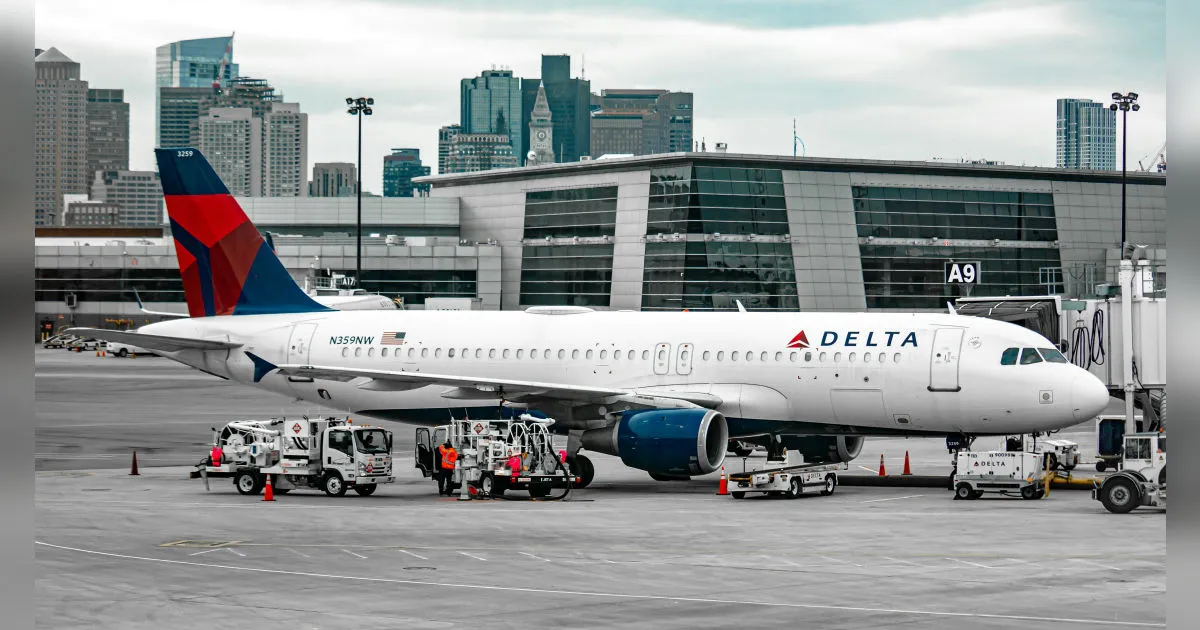
Before takeoff, flight attendants “arm” the aircraft doors. This means they activate the emergency slide system so it can automatically deploy if an evacuation is needed during flight. After the plane lands, the doors are “disarmed” again before opening to avoid accidental deployment.
In this Delta Airlines case, the flight attendant accidentally lifted the door handle while the system was still armed. Once that handle is moved, the slide deploys instantly and forcefully. The process happens in seconds and cannot be stopped once started.
Even experienced crew members can make such mistakes. Human error, rushing through pre-departure checks, or momentary distraction can lead to costly accidents like this one.
How Rare Are These Incidents?
Incidents like this are called Inadvertent Slide Deployments (ISDs). They are uncommon but not extremely rare in the aviation world.
Data from aircraft manufacturers like Airbus shows that around three slide deployments happen every day worldwide. Many of these occur during the disarming process after landing rather than before takeoff.
Airlines have strict checklists to avoid these issues. One flight attendant arms or disarms the door, and another must cross-check the action to confirm it was done correctly. However, in smaller aircraft or at certain airports, there may be only one crew member working at the front, which increases the risk of an accidental mistake.
Safety and Financial Risks
While this type of event may sound harmless, it can be dangerous and extremely expensive. When a slide deploys, it inflates with great force and speed. If a ground worker or airport staff member happens to be near the door, they could get injured.
The slide can also damage nearby equipment such as jetbridges, service vehicles, or airport structures. That’s why airlines treat even a single accidental deployment as a serious safety and operational event.
The financial impact doesn’t stop with just replacing the slide. The airline has to cover additional costs like passenger compensation, hotel stays, missed connections, and schedule disruptions. These can easily turn a $70,000 mistake into a six-figure expense.
Delta’s Response
After the incident, Delta engineers quickly arrived at the aircraft to remove and deflate the slide. The process took nearly an hour before the jetbridge could reconnect and passengers could safely exit the plane.
According to passengers, the flight attendant was visibly embarrassed and repeatedly apologized for the error. Delta Airlines has not issued a detailed public statement, but the company is known for handling such issues internally with retraining and safety reviews.
Lessons for Airlines and Crew
The incident shows that even experienced professionals can make small mistakes with big consequences. Airlines constantly train their crews to double-check door arming and disarming procedures, especially before and after boarding.
Many carriers are now using improved safety technology, such as warning lights or door sensors, to help prevent accidental deployments. Some airlines also include extra checks in their standard procedures to reduce the risk further.
How Airlines Prevent Similar Accidents
Airlines around the world work hard to prevent incidents like this from happening. After every inadvertent slide deployment, they review the entire process to find what went wrong and how to stop it from repeating.
Most airlines use a two-step verification system for door safety. One flight attendant arms or disarms the door, and another must cross-check the position of the lever or warning light before the aircraft moves. This teamwork helps reduce human error.
Many modern aircraft, like the Airbus A220, also have built-in indicators that show whether a door is armed or disarmed. However, these signs still rely on the crew member noticing them and following correct procedures.
Some airlines are testing new digital safety systems that alert the crew if a door is opened while armed. Others provide extra refresher training to remind flight attendants about door safety, especially after long breaks or schedule changes.
Why Such Mistakes Still Happen
Even with training and technology, accidents can still occur because flight attendants work under pressure. They handle boarding, passenger needs, and safety checks, often in a busy environment with time limits.
A single moment of distraction or misunderstanding can lead to a wrong move. In this Delta case, the flight attendant reportedly lifted the handle too soon after arming the door, which triggered the automatic deployment.
It shows that no matter how much experience someone has — even 26 years — anyone can make a small but costly mistake.
The Bigger Picture: Airline Safety Culture
Aviation safety is built on learning from mistakes. Each incident, no matter how minor, becomes a lesson for the entire industry. Delta and other airlines use such events to update training programs and remind crews about the importance of small details.
Modern air travel is extremely safe because airlines continuously improve after every error. The goal isn’t to punish workers but to make systems more foolproof so similar errors don’t happen again.
Key Takeaways for Readers
- The Delta flight attendant accidentally deployed an emergency slide while the door was armed for takeoff.
- The slide inflated onto the jetbridge, trapping passengers inside the aircraft.
- Damages and delays cost the airline around $70,000 to $100,000.
- These incidents are called Inadvertent Slide Deployments (ISDs) and happen a few times a day worldwide.
- Airlines are now improving training and technology to reduce human error.
Conclusion
This incident at Pittsburgh Airport reminds us how small mistakes in aviation can lead to big consequences. Even with experienced crews and strong safety rules, human error is always possible.
The good news is that such cases are rare, and airlines like Delta act quickly to fix the problem and learn from it. Every event like this helps the industry get even safer and more efficient for travelers in the future.
Frequently Asked Questions (FAQs)
1. What caused the Delta Airlines emergency slide to deploy?
A flight attendant accidentally opened the aircraft door while it was still armed, which automatically triggered the slide.
2. How much did the mistake cost?
The replacement and repair costs are estimated at around $70,000, but the total loss, including delays and hotel costs, could exceed $100,000.
3. Were any passengers hurt during the incident?
No passengers were injured. However, the deployment blocked the exit, temporarily trapping passengers inside until engineers removed the slide.
4. How long was the flight delayed?
The flight was delayed for nearly four hours, from 5:30 p.m. to 9:11 p.m.
5. Are such incidents common in aviation?
They are uncommon but not rare. Around three inadvertent slide deployments happen worldwide each day, mostly due to human error.

Harsh Muchhal is a Software Engineer and Financial Analyst passionate about helping people understand the world of finance and technology in simple, practical ways. With experience in both software development and financial analysis, he blends technical knowledge with real-life money insights to make complex topics easy for everyone. Harsh shares valuable guides, tips, and updates on personal finance, investing, credit cards, and the latest tech innovations — helping readers make smarter choices in today’s fast-changing digital world.

Pingback: Ford Delivers Strong Q3 2025 Results and Stays Positive for 2025 - MY FINTECH INSIGHT