Introduction
Bitcoin has created thousands of millionaires since it first appeared in 2009. But have you ever wondered how many people actually own 10 or more Bitcoins today? With Bitcoin’s price crossing tens of thousands of dollars per coin, holding even 10 BTC is a big deal — that’s worth hundreds of thousands of dollars in 2025.
In this article, we’ll take a deep look at how many people in the world own 10+ Bitcoins, what that means in terms of wealth distribution, and how rare it really is to be part of this exclusive group. We’ll also explore how blockchain data helps estimate these numbers, and what trends show about Bitcoin ownership over time.
By the end, you’ll know exactly how rare it is to own 10 BTC, who owns the most, and what this reveals about the future of crypto wealth.
Global Bitcoin Ownership Statistics in 2025
Understanding how Bitcoin is distributed helps us see how rare it is to own 10 BTC or more. Since all Bitcoin transactions are public on the blockchain, analysts can estimate how much Bitcoin belongs to different wallet addresses — though not always who owns them.
Total Number of Bitcoin Wallets
As of 2025, there are over 1 billion cryptocurrency wallets worldwide, but only around 50–60 million wallets hold any Bitcoin. Out of these, many are small holders with less than 0.01 BTC (worth under $1,000).
However, only a small percentage of wallets hold large amounts like 10 Bitcoin or more.
Distribution by Wallet Size
According to blockchain analytics from sources like BitInfoCharts and Glassnode (2025 data):
| Wallet Holdings | Approx. Number of Wallets | Percentage of All Bitcoin Holders |
|---|---|---|
| 0.001 – 0.01 BTC | ~30 million | ~50% |
| 0.01 – 0.1 BTC | ~10 million | ~16% |
| 0.1 – 1 BTC | ~6 million | ~10% |
| 1 – 10 BTC | ~2.5 million | ~4% |
| 10+ BTC | ~150,000 wallets | ~0.25% |
This means that only about 0.25% of all Bitcoin holders own 10 or more Bitcoins — a very exclusive group.
What This Means
If you hold 10 BTC or more, you are among the top 0.25% of Bitcoin owners worldwide. That puts you in a group that controls a significant portion of all mined Bitcoin. Many of these large holders include:
- Early adopters who mined Bitcoin in its early days
- Long-term investors (HODLers) who never sold
- Institutions and crypto funds managing client assets
Ownership vs. Wallet Count
It’s important to note that wallets ≠ people. One individual can have multiple wallets, and large exchanges hold Bitcoin on behalf of millions of users. This means the number of people who personally own 10 BTC is even smaller than the number of wallets that show 10 BTC or more.
Experts estimate that fewer than 100,000 people globally actually own 10 or more Bitcoins in 2025.
How Many People Own 10 Bitcoins in the World (2025 Answer)
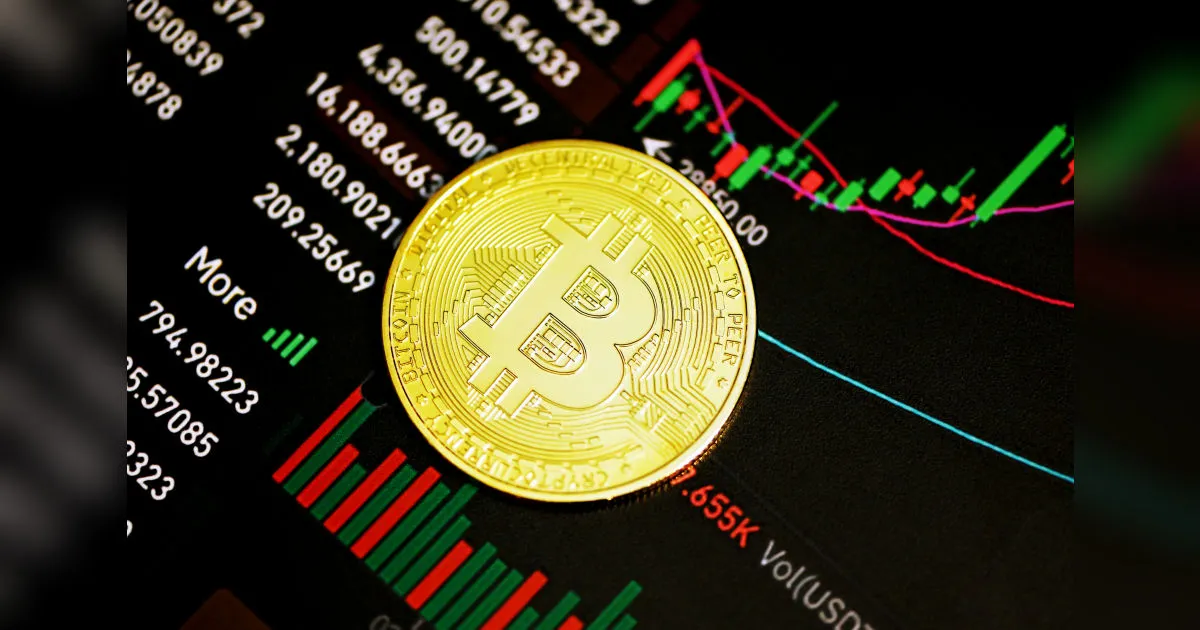
According to updated blockchain data from 2025, there are around 150,000 wallet addresses holding 10 or more Bitcoins. But since many of these wallets belong to exchanges, funds, or institutions, the number of individual people who actually own 10+ BTC is smaller — estimated between 80,000 and 100,000 worldwide.
In simple terms, only about 0.001% of the global population owns 10 or more Bitcoins.
That means fewer than 1 in every 80,000 people holds this amount, making it a truly rare achievement in the crypto world.
How Rare Is It to Own 10 Bitcoins in 2025
Owning 10 Bitcoins today is not just impressive — it’s extremely rare. To understand how special that is, let’s look at the numbers and compare it with the global population and wealth levels.
1. Bitcoin Supply Is Limited
Bitcoin’s total supply is capped at 21 million coins, and about 19.7 million BTC have already been mined as of 2025. That means fewer than 1.3 million BTC remain to be mined in the coming years.
Because of this fixed supply, holding 10 BTC gives you ownership of around 0.00005% of all Bitcoin that will ever exist. It may sound small, but in a world with over 8 billion people, this is a big achievement.
2. Comparing with Global Wealth Distribution
Let’s put it in perspective:
- The median global wealth per adult is roughly $9,000 (Credit Suisse 2025 data).
- If Bitcoin’s price is around $65,000, then 10 BTC = $650,000.
That means anyone with 10 Bitcoins has wealth equal to or higher than the top 1% of people globally.
In other words, holding 10 BTC makes you wealthier than 99% of the world’s population — even without counting other assets.
3. How Many People Can Afford 10 BTC
At today’s prices, owning 10 BTC requires an investment of $600,000–$700,000, depending on market rates. Only a small number of investors can afford that level of exposure.
That’s why fewer than 100,000 individuals are estimated to personally own 10 or more Bitcoins. The rest are held by institutions, funds, or exchanges.
4. The 10 BTC Club – An Elite Group
If you own 10 Bitcoins, you’re part of what many in the crypto community call the “10 BTC Club.”
It’s a symbolic term that refers to those who have enough Bitcoin to make a life-changing impact if prices rise further.
Many believe that when Bitcoin eventually reaches $100,000 or even $250,000 per coin, members of this group will become multimillionaires.
5. The Rarity in Numbers
Here’s a simple way to visualize it:
- Total world population: ~8 billion
- People owning any Bitcoin: ~200 million
- People owning 10+ BTC: <100,000
That means only 1 out of every 80,000 people owns 10 or more Bitcoins — making it as rare as being an Olympic athlete or a top-level CEO in terms of statistical odds.
According to data from Glassnode and BitInfoCharts, around 150,000 wallet addresses hold 10 or more Bitcoins.
Who Owns the Most Bitcoin in the World (2025)
When we talk about who owns 10 or more Bitcoins, it’s important to note that most of the biggest Bitcoin holders are institutions, exchanges, and early adopters rather than everyday investors. Let’s explore who controls the largest amounts of BTC today.
1. Satoshi Nakamoto – The Mysterious Creator
The person (or group) known as Satoshi Nakamoto, who created Bitcoin in 2009, is believed to hold around 1 million Bitcoins spread across many wallet addresses.
This makes Satoshi the largest single Bitcoin holder in history, with a fortune worth over $65 billion at current prices — yet none of those coins have ever been moved.
2. Public and Private Companies
Many companies have invested heavily in Bitcoin to hold it as a store of value or part of their treasury strategy.
According to data from Bitcoin Treasuries (2025), here are some major holders:
| Company | Estimated Bitcoin Holdings | Estimated Value (USD) |
|---|---|---|
| MicroStrategy | ~190,000 BTC | ~$12.3 billion |
| Marathon Digital | ~18,000 BTC | ~$1.1 billion |
| Tesla (approx.) | ~9,700 BTC | ~$630 million |
| Block (Square) | ~8,000 BTC | ~$520 million |
These corporate investments show how Bitcoin has evolved from a tech experiment into a serious financial asset.
3. Cryptocurrency Exchanges
Exchanges hold massive amounts of Bitcoin on behalf of millions of users. Some of the largest custodial wallets belong to platforms like:
- Binance – Over 500,000 BTC
- Coinbase – Around 400,000 BTC
- Bitfinex – Roughly 200,000 BTC
- OKX and Kraken – Each holding tens of thousands of BTC
Although these coins technically belong to the users, they are stored in exchange-controlled wallets.
4. Institutional Investors and Funds
Over the last few years, ETFs and investment funds have become major players in the Bitcoin market.
Examples include:
- Grayscale Bitcoin Trust (GBTC) – ~630,000 BTC
- BlackRock’s iShares Bitcoin ETF – Over 250,000 BTC (as of 2025)
- Fidelity and Ark Invest Bitcoin ETFs – Combined over 150,000 BTC
These funds make Bitcoin ownership easier for traditional investors and retirement portfolios.
5. Early Adopters and Crypto Whales
There’s also a group of private investors, often called “crypto whales,” who bought or mined Bitcoin early on.
Some of these early adopters hold 10,000 BTC or more, giving them huge influence over the market. However, most of these coins haven’t moved for years, showing strong long-term confidence in Bitcoin.
6. Governments Holding Bitcoin
Several governments also own or have seized Bitcoin over time.
For example:
- United States government – Holds over 200,000 BTC (mostly from seized criminal cases).
- El Salvador – The first country to adopt Bitcoin as legal tender, with around 6,000 BTC in reserves.
These large holders, from governments to tech companies, play a key role in shaping the Bitcoin market. However, everyday investors — especially those with 10 or more Bitcoins — still represent a rare and powerful segment of the crypto world.
Why It’s Hard to Own 10 Bitcoins
Owning 10 Bitcoins might sound simple, but in reality, it’s a goal that very few people ever reach. Several financial, emotional, and practical barriers make it difficult for most investors to hold that much BTC over time.
1. High Cost of Entry
The biggest reason is price.
With Bitcoin trading around $65,000 in 2025, buying 10 BTC requires about $650,000 in capital. That’s more than the average home price in many U.S. states. For most people, that’s simply out of reach.
Even when Bitcoin was cheaper years ago, few had the confidence to invest heavily in something so new and uncertain.
2. Emotional Volatility
Bitcoin’s price swings can be huge — rising or falling thousands of dollars in a single day.
Many investors who once had 10 BTC sold too early out of fear or excitement. Holding through massive ups and downs takes strong emotional control, which not everyone has.
3. Early Opportunity Missed
In Bitcoin’s early years (2009–2013), 10 BTC could be bought for under $100.
But back then, few believed it would become valuable. Most people didn’t understand what Bitcoin was, so they ignored it. Those who did buy often lost access to their wallets or sold when prices doubled — missing out on today’s fortune.
4. Lost or Forgotten Coins
Blockchain data suggests that about 3–4 million Bitcoins are permanently lost, mostly from old wallets whose owners lost private keys or forgot passwords.
This makes it even harder to own 10 BTC today because fewer coins are actually in circulation.
5. Limited Supply and Institutional Demand
As big investors, corporations, and ETFs buy and hold Bitcoin, the available supply keeps shrinking.
Each time an institution buys thousands of Bitcoins, it reduces the number of coins available to individual buyers. This pushes prices higher and makes it harder for new investors to accumulate large amounts.
6. Regulations and Security Risks
In many countries, Bitcoin trading and storage come with regulatory challenges or tax complexities.
On top of that, securing a large amount of Bitcoin safely requires technical knowledge and tools like hardware wallets or multisig storage — another reason why most people avoid holding large amounts.
7. Fear of Scams and Hacks
The crypto space has seen numerous hacks and scams.
People worry about losing their assets to phishing attacks or exchange failures. Because of these risks, even investors who could afford 10 BTC often prefer to keep smaller amounts for safety.
Owning 10 BTC Is Rare but Possible
Despite all these challenges, determined long-term investors who believe in Bitcoin’s future still aim for this milestone. It takes patience, strong conviction, and financial discipline, but history shows that those who hold through market cycles often see life-changing results.
What Does Owning 10 Bitcoins Mean for the Future
Owning 10 Bitcoins today is more than just an investment — it’s a statement of long-term belief in the future of digital money. With Bitcoin becoming a mainstream asset and governments exploring digital currencies, holding a significant amount of BTC could shape personal and financial futures in powerful ways.
1. A Strong Hedge Against Inflation
Many people see Bitcoin as digital gold — a limited asset that can protect wealth against inflation.
As governments print more money, the purchasing power of cash decreases, but Bitcoin’s fixed supply of 21 million coins keeps its value relatively scarce.
So, owning 10 BTC could act as a long-term inflation hedge, similar to how gold worked for older generations.
2. Future Millionaire Potential
If Bitcoin continues to rise as experts predict, the value of 10 BTC could skyrocket.
Let’s look at some scenarios:
| Future Bitcoin Price | Value of 10 BTC |
|---|---|
| $65,000 (current) | $650,000 |
| $100,000 | $1 million |
| $250,000 | $2.5 million |
| $500,000 | $5 million |
Even at conservative growth, owning 10 Bitcoins could potentially turn you into a crypto millionaire within the next market cycle.
3. Symbol of Financial Freedom
For many investors, Bitcoin represents independence from the traditional banking system.
Holding 10 BTC means having full control over your wealth — no banks, no middlemen, and no government interference. It’s stored securely on the blockchain and can be moved anywhere, anytime.
4. Long-Term Investment Power
Bitcoin is becoming an important part of investment portfolios, similar to stocks or real estate.
With large financial institutions like BlackRock and Fidelity offering Bitcoin ETFs, more investors now treat Bitcoin as a legitimate, long-term asset.
Those with 10 BTC may benefit not only from price growth but also from new opportunities like staking, lending, or tokenization in the coming decade.
5. Legacy and Future Generations
Just like owning property or gold, owning 10 BTC could be a generational asset.
In 10–20 years, Bitcoin may become as common in family wealth as traditional investments. Passing it down could help future generations build security in a digital economy.
6. A Seat in the Digital Economy
As Web3, AI, and decentralized finance (DeFi) continue to grow, Bitcoin ownership may give people early access to new technologies and financial systems.
Those holding 10 BTC today could become part of a new financial elite in the digital era — similar to how early internet investors gained massive advantages in the 2000s.
Conclusion
Owning 10 Bitcoins is extremely rare and powerful in today’s world. With fewer than 100,000 people globally holding this much BTC, it represents both wealth and early belief in the future of digital currency.
As Bitcoin becomes more accepted by governments, institutions, and everyday users, owning 10 BTC could mean much more than financial gain — it could mean freedom, opportunity, and influence in the future of global finance.
In short, having 10 Bitcoins in 2025 puts you in one of the most exclusive financial groups on the planet. Whether you see it as an investment, a hedge, or a symbol of independence, it’s a milestone that very few will ever reach.
Also Read : 💰 Cryptocurrency ATM Fraud and the New Consumer Protection Laws: A Comprehensive Guide
FAQs About Bitcoin Ownership
1. How many people own 10 Bitcoins in the world?
As of 2025, around 80,000 to 100,000 people worldwide own 10 or more Bitcoins. That’s about 0.001% of the global population.
2. Is owning 10 Bitcoins a lot?
Yes. With Bitcoin priced around $65,000 in 2025, owning 10 BTC equals roughly $650,000, placing you among the top 1% of global wealth holders.
3. Who owns the most Bitcoin?
The largest holder is Satoshi Nakamoto, Bitcoin’s anonymous creator, who owns about 1 million BTC. Other large holders include companies like MicroStrategy, Binance, Coinbase, and the U.S. government (from seized assets).
4. How much will 10 Bitcoins be worth in the future?
If Bitcoin reaches $100,000, 10 BTC would be worth $1 million. At $250,000 per BTC, it could be worth $2.5 million or more — depending on market growth.
5. Why is it so hard to own 10 Bitcoins?
Because of Bitcoin’s high price, limited supply, emotional volatility, and growing institutional demand, very few people can afford or manage to hold that much BTC long-term.
“Best American Express Credit Cards in the USA 2025” — it fits naturally when discussing wealth and digital finance.
Experts at Investopedia explain that Bitcoin’s fixed supply creates long-term scarcity similar to gold.
Summary
In 2025, owning 10 or more Bitcoins is one of the rarest achievements in the crypto world. Out of billions of people worldwide, only around 80,000 to 100,000 individuals hold 10+ BTC — that’s less than 0.001% of the global population. With Bitcoin trading near $65,000, 10 BTC equals about $650,000, placing owners among the top 1% of global wealth holders.
The article explains how this rarity comes from Bitcoin’s limited 21 million supply, lost coins, institutional accumulation, and the high cost of ownership. It also explores who owns the most Bitcoin — from Satoshi Nakamoto and companies like MicroStrategy to governments such as the U.S. and El Salvador.
Owning 10 BTC isn’t just financial — it symbolizes independence, vision, and belief in the future of digital money. With rising adoption and shrinking supply, 10 Bitcoins could easily represent multi-million-dollar wealth in the coming decade.

Harsh Muchhal is a Software Engineer and Financial Analyst passionate about helping people understand the world of finance and technology in simple, practical ways. With experience in both software development and financial analysis, he blends technical knowledge with real-life money insights to make complex topics easy for everyone. Harsh shares valuable guides, tips, and updates on personal finance, investing, credit cards, and the latest tech innovations — helping readers make smarter choices in today’s fast-changing digital world.