
If you own a credit card that sits untouched in your wallet, you might assume it’s harmless. Maybe you applied for it to build credit, earn rewards, or keep for emergencies, but never found a reason to swipe it. What most people don’t realize is that leaving your credit card completely unused can affect your financial profile in subtle but important ways. From potential account closures to lost benefits, your inactive card might be doing more harm than good. In this guide, we’ll break down exactly what happens when you never use your credit card and how to handle it smartly.
Table of Contents
How Credit Card Inactivity Works
Credit card issuers expect cardholders to use their accounts. When you swipe your card, they earn revenue through merchant transaction fees and interest charges on balances. If a card remains unused for a long period—typically 12 to 24 months—it becomes unprofitable for the bank. As a result, many issuers automatically classify the account as inactive, which can eventually lead to closure. Even if you never make a purchase, your credit card technically remains open, but inactivity tells the lender that you aren’t engaging with their product.
Some people avoid using credit cards to stay debt-free or avoid interest payments. That’s understandable, but inactivity can still affect your financial health indirectly. Credit cards are not just spending tools; they’re part of your credit identity, helping determine your credit score, borrowing power, and financial reputation.
Potential Account Closure Due to Inactivity
The most significant consequence of never using your credit card is account closure. Lenders may close inactive accounts to manage risk and reduce overhead costs. This can happen without your explicit consent, although most companies, including American Express, Chase, or Capital One, send warning emails first. If your account is closed, your available credit limit drops immediately.
For instance, imagine you have two cards with a combined credit limit of $10,000. If one card with a $5,000 limit is closed, your total available credit falls to $5,000. If your monthly spending remains at $2,000, your utilization ratio jumps from 20% to 40%. Since credit utilization makes up about 30% of your FICO score, this increase can cause your credit score to dip. Even if you don’t carry a balance, losing unused credit lines can still negatively affect your score.
How Inactivity Affects Your Credit Score
Not using a credit card doesn’t immediately damage your credit score, but over time, it can hurt in several ways. The first impact comes from missed opportunities to add positive payment history. Payment history is the single largest factor in your FICO score, accounting for 35%. Every on-time payment boosts your record. When you never use the card, there’s no activity to report, which means no new positive data.
The second factor is your credit utilization ratio. If you only use one or two active cards, your total available credit shrinks, and your utilization rate increases. Lastly, there’s the length of your credit history. When an inactive card gets closed, your average account age may shorten, slightly lowering your score.
Credit scoring models favor consistency and responsible usage. A completely dormant account doesn’t signal risk, but it doesn’t help build credit either. Think of your credit card as a tool to prove reliability, not just a backup for emergencies.
Missed Opportunities to Build Credit
If you never use your credit card, you miss a chance to strengthen your financial foundation. Even minimal activity helps establish you as a low-risk borrower. Experts recommend using the card at least once every few months for small purchases such as groceries, subscriptions, or gas. Pay off the balance in full before the due date to avoid interest and keep the account active.
This approach not only prevents closure but also ensures regular, positive updates to your credit report. Over time, consistent light usage can contribute to a higher score, better loan terms, and greater financial flexibility.
Losing Rewards, Benefits, and Bonuses
Many credit cards offer perks like cashback, travel miles, extended warranty, or purchase protection. Unfortunately, if you never use the card, you won’t benefit from these features. Some reward programs also have expiration policies tied to account activity. For example, if you haven’t earned or redeemed points in 12 months, your rewards might expire.
Additionally, certain benefits—like travel insurance, airport lounge access, or purchase protection—are only valid when you make purchases with that card. If your account eventually closes, you’ll lose any unredeemed points or miles permanently. Therefore, inactivity doesn’t just mean lost opportunities to earn rewards; it can mean forfeiting existing ones too.
Annual Fees Still Apply
A common misconception is that unused cards with annual fees don’t require payment. In reality, the annual fee is charged whether or not you use the card. If you ignore the statement, you could end up with a missed payment on your record, late fees, and even damage to your credit score.
If you own a card you rarely use and it has a yearly fee, contact the issuer to explore downgrade options. Many banks allow customers to switch to a no-fee version while keeping the same credit history. This way, you maintain your credit line and card age without paying unnecessary costs.
How Issuers View Inactive Accounts
From a lender’s perspective, inactivity suggests low engagement. Issuers want customers who use their cards responsibly and generate revenue. Dormant accounts might lead to fewer offers, smaller credit limit increases, or even exclusion from promotional deals.
Banks regularly review customer activity, and active cardholders are more likely to receive personalized offers, pre-approved loans, and rewards upgrades. Remaining inactive, on the other hand, signals disinterest, which may reduce your overall relationship value with the issuer.
Financial and Security Risks of an Idle Card
Even if you never swipe your credit card, it remains active in the system. Fraudsters sometimes target inactive cards, hoping the user won’t notice unauthorized charges. If you rarely check your statements, fraudulent activity could go unnoticed for months. Always monitor your account online or set up alerts for transactions and due dates.
Another overlooked issue is expired or outdated information. Cards that go unused often have old billing addresses, phone numbers, or email IDs. If your bank can’t reach you, you might miss essential notifications about policy changes or suspicious activity.
Smart Ways to Keep Your Credit Card Active
The best way to avoid problems is to use your card occasionally and responsibly. You don’t need to rack up big balances; a few small, regular transactions are enough. Here are simple strategies to keep your card active and protect your score:
- Set up one low recurring payment, such as a streaming service or mobile bill.
- Pay the full amount each month to avoid interest.
- Rotate usage among multiple cards so none go inactive.
- Monitor rewards to ensure you’re earning and redeeming them efficiently.
- Check statements monthly to spot suspicious activity early.
These habits keep your credit utilization low, payment history positive, and account active — all of which support long-term financial health.
Should You Close an Unused Credit Card?
If you’re certain you won’t use the card again, closing it might seem like the simplest solution. However, it’s important to weigh the pros and cons first. Closing a credit card can shorten your credit history and raise your utilization ratio, which could lower your score.
Before you close an account, make sure you:
- Redeem any remaining rewards or cashback.
- Pay off all balances completely.
- Consider downgrading instead of canceling.
- Evaluate how the closure will affect your credit mix.
If you already have multiple long-standing accounts, closing one may have minimal impact. But if the card you’re closing is your oldest account, it’s often better to keep it open with light use.
The Best Approach: Controlled Usage
The ideal strategy isn’t to avoid credit cards—it’s to use them wisely. Credit cards can enhance your financial reputation if used strategically. Make small purchases, pay them off promptly, and avoid carrying debt. This balance between usage and discipline keeps your credit score strong and your finances healthy.
Even a $10 monthly charge paid on time can keep your account in good standing and prevent inactivity flags. Think of credit as a financial tool, not a trap. By using it occasionally, you ensure that your issuer sees you as a responsible and active customer.
Real-Life Example
Consider Sarah, a young professional who opened a credit card with a $3,000 limit during college but never used it after graduation. Two years later, her bank closed the account for inactivity. When she applied for a mortgage, she was surprised to learn her credit score had dropped by nearly 40 points. The closure reduced her total available credit and shortened her credit history, signaling a higher risk profile to lenders.
If Sarah had made one small purchase every few months, the account would have stayed open, preserving her excellent credit score and improving her loan approval chances. Her experience highlights why occasional, controlled usage is far better than total inactivity.
Final Thoughts
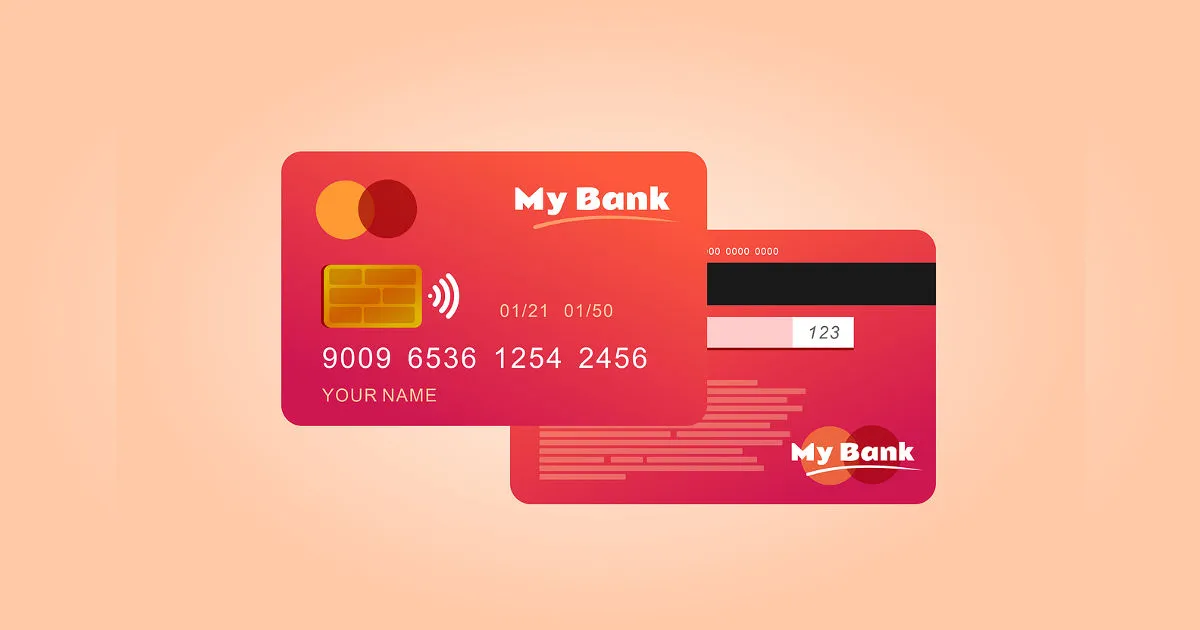
Leaving a credit card unused might seem like the safe or responsible choice, but in the long run, it can cause unintended problems. You may lose access to valuable rewards, miss out on building credit history, or even face account closure that negatively impacts your credit score. The smartest move is to keep your card active with light, regular transactions and pay off the balance in full.
Whether your goal is maintaining a strong credit score, qualifying for better loans, or simply keeping your financial options open, responsible usage is the key. Remember, an unused card does not help your credit—it quietly weakens your profile.
External Links (DoFollow):
- Consumer Financial Protection Bureau – Understanding Credit Cards
- FICO – How Your Credit Score Is Calculated
More :
“How to Improve Your Credit Score Quickly” or “Best American Express Credit Cards in the USA 2025.”
”Social Security COLA 2026: How the 2.8% Increase Impacts Your Monthly Benefits”
”What Is the 7-Year Rule on Student Loans in California?”
FAQs
Q1. Will not using my credit card affect my credit score?
Yes, it can indirectly affect your score if the issuer closes your account due to inactivity, reducing your available credit and credit history length.
Q2. How long can I keep my credit card inactive before the bank closes it?
Most banks allow 12–24 months of inactivity before considering account closure, but this varies by issuer.
Q3. Can I keep my card open without using it?
Yes, but you should make occasional small purchases to keep the account active and maintain a positive credit history.
Q4. Should I close a credit card I never use?
Only if it has high annual fees or no longer fits your needs. Consider downgrading or minimal usage instead of full closure.
Q5. Does having multiple unused credit cards hurt my credit?
Not directly, but if they become inactive and get closed, your total available credit decreases, which can hurt your score.

Harsh Muchhal is a Software Engineer and Financial Analyst passionate about helping people understand the world of finance and technology in simple, practical ways. With experience in both software development and financial analysis, he blends technical knowledge with real-life money insights to make complex topics easy for everyone. Harsh shares valuable guides, tips, and updates on personal finance, investing, credit cards, and the latest tech innovations — helping readers make smarter choices in today’s fast-changing digital world.

Pingback: Difference Between Secured and Unsecured Credit Cards - MY FINTECH INSIGHT
Pingback: Top Ways Millennials and Gen Z Are Saving Money in 2025 Without Cutting Lifestyle - MY FINTECH INSIGHT
Pingback: $5,000 Credit Card Instant Approval: How to Get One Fast in 2025 - MY FINTECH INSIGHT